Paralysis ticks are a significant threat to pets in Australia, particularly along the east coast where the climate is warm and humid. The South Coast of NSW is a particular hotspot for ticks, with thousands of pets requiring treatment every year. If you take your pet on holidays, make sure you research whether or not it is a tick hotspot and use preventative products for the duration of your time spent there.
These tiny parasites can cause severe illness and even death in dogs, cats, rabbits and most domestic species. Native animals are immune to the tick toxin, and are part of the lifecycle of the paralysis tick – allowing them to mature and passing them on to attach to animals like dogs to complete the cycle.
This article will cover the signs and symptoms of tick paralysis, prevention strategies, treatment options, and effective preventative products like Nexgard, Bravecto, and Simparica.

Identification of Paralysis Ticks

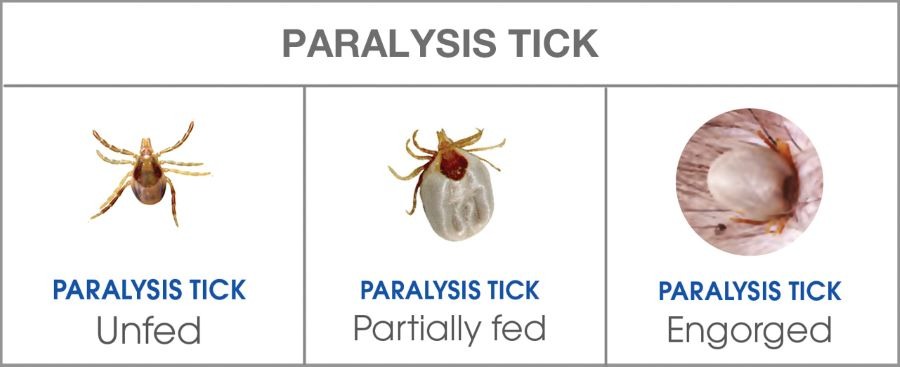
Paralysis ticks (Ixodes holocyclus) can be identified by their distinct physical characteristics:

  • Size: Adult ticks are approximately 3-6mm in length, but can be bigger when fully engorged.
  • Color: They have a grey body with legs close to the head. The legs are the feature that best distinguishes them from other ticks in the same regions. Paralysis ticks have one pair of brown legs closest to their head, then two pairs of white legs, and then one pair of brown legs closest to the body.
  • Shape: They have an oval or seed-shaped body that is flat when empty, or rounded when engorged.
  • Mouthparts: They possess a long mouthpiece or ‘snout’ with barbs along it, helping them to embed within their host. When removing ticks, it is important to make sure this part is also extracted.

Paralysis ticks are commonly found in bushy, grassy areas and can attach to pets when they brush past vegetation where the tick is waiting.

Signs and Symptoms of Tick Paralysis

Paralysis ticks (Ixodes holocyclus) inject a potent neurotoxin while feeding on their host’s blood, leading to a range of symptoms. Early signs of tick paralysis in pets include:

  • Lethargy
  • Loss of appetite
  • Weakness or wobbliness in the hind legs – ascending paralysis
  • Difficulty breathing
  • Change in bark or meow
  • Vomiting

As the condition progresses, pets may experience more severe symptoms such as:

  • Complete paralysis
  • Difficulty swallowing
  • Respiratory distress

If you notice any of these symptoms, it’s crucial to seek veterinary attention immediately.

Prevention Strategies

Preventing tick bites is the best way to protect your pet from tick paralysis. Here are some effective strategies:

  • Avoid Tick-Infested Areas: Keep your pets away from bushy, grassy areas, especially during tick season (spring and early summer).
  • Regular Tick Checks: Perform daily tick checks on your pets, focusing on areas like the head, neck, and ears.
  • Regular Grooming: Regular grooming and bathing can help you spot ticks early. Using a fine-toothed comb can also help in detecting ticks.
  • Use Tick Preventatives: Apply tick prevention products at the recommended times, and always repeat doses on time. Set a reminder or mark it in your calendar.
  • Tick Season: Paralysis ticks are most active during the warmer months, particularly from spring to early summer. Being extra vigilant during these times can help prevent tick bites.
  • Yard Maintenance: Keeping your yard well-maintained by regularly mowing the lawn, trimming bushes, and removing leaf litter can reduce tick habitats around your home.Tick
  • Removal Kit: Keep a tick removal kit handy, including tweezers or a tick twister, antiseptic, and a container to save the tick for identification if needed.

Treatment Options

If your pet is bitten by a paralysis tick, immediate veterinary care is essential. Treatment options may include:

  • Tick Removal: Removal of the tick using tweezers or a tick twister.
  • Antitoxin Serum: Administering an antitoxin serum to neutralize the tick’s toxin – some pets can have a reaction to this medication, so they will be monitored closely.
  • Supportive Care: Providing oxygen therapy, intravenous fluids, and medications to support breathing and other bodily functions. The bladder will be affected by the tick toxin causing paralysis, so it will need to be expressed regularly.
    Advanced cases of tick paralysis may need to be placed on a ventilator to assist breathing. At this stage, recovery is unlikely.

Preventative Products

Several effective products can help protect your pets from paralysis ticks. Here are some commonly used examples:

By using these preventative products and following the recommended prevention strategies, you can significantly reduce the risk of tick paralysis in your pets. Prevention is key, as recovery can be expensive and very difficult on your pet – and some pets die despite the best treatment.

Paralysis ticks pose a serious threat to pets in Australia, but with vigilance and the right preventative measures, you can keep your furry friends safe. Regular tick checks, avoiding tick-prone areas, and using effective tick prevention products are key to protecting your pets from this dangerous parasite.

If you have any concerns or notice symptoms of tick paralysis in your pet, consult your veterinarian immediately. Your prompt action can make all the difference in ensuring your pet’s health and well-being.


Pickle’s Pet Care 2024
Written by Brittany Overton – Veterinary Nurse

As our beloved pets age, their needs change, and it’s important to adapt our care routines to ensure they remain happy and healthy. Senior pets, much like senior humans, require special attention and care. Here are some key considerations and tips for caring for older pets:

1. Regular Veterinary Check-ups

Image by macrovector on Freepik

Older pets are more prone to health issues, so regular veterinary check-ups are crucial. These visits help in early detection and management of age-related conditions such as arthritis, diabetes, and kidney disease. It is usually recommended to have a blood test done to check liver and kidney values at this time also. Your vet can also provide guidance on diet, exercise, and any necessary medications to manage any illnesses or pain.

2. Adjusted Diet and Nutrition

Senior pets often have different nutritional needs compared to their younger counterparts. They may require a diet that is lower in calories due to lower energy output, but higher in fiber and essential nutrients. Consult your vet to choose the right food that supports your pet’s health and helps manage their weight. We recommend adding fresh vegetables, meat, fish and eggs to dog’s diets to improve skin, cognitive and gut health, and provide extra enrichment during feeding time.

3. Exercise and Mental Stimulation

Image by macrovector on Freepik

While senior pets may not be as energetic as they once were, regular exercise is still important to maintain their physical health and prevent obesity. Gentle walks, swimming, and interactive toys can keep them active. Your vet may even recommend physiotherapy for your dog to manage arthritis. Mental stimulation through puzzle toys and training exercises can also help keep their minds sharp.

4. Comfort and Accessibility

As pets age, they may experience mobility issues. Ensure your home is senior-pet-friendly by providing soft bedding, ramps, and easy access to their favorite spots. Orthopedic beds can help alleviate joint pain, and non-slip mats and booties can prevent accidents on slippery floors. Try to limit stair use, and ensure there are barriers on decking.

5. Dental Care

Dental health is often overlooked but is crucial for senior pets. Regular brushing and dental check-ups can prevent dental diseases that can lead to more serious health issues. Dental treats and toys designed to clean teeth can also be beneficial. Your vet may recommend an anaesthetic dental cleaning once every year or two when their age advances to the senior stage. Your vet will radiograph, clean and polish teeth, and extract any infected or loose ones. If your pet requires a lumpectomy also, these procedures may be able to be done on the same day (in most cases – severe dental disease will need to be done seperately as extractions take time).

6. Monitor Behavior and Health Changes

Keep a close eye on any changes in your pet’s behavior, appetite, or weight. These changes can be indicators of underlying health issues. Early detection and intervention can make a significant difference in managing age-related conditions. Regularly feel for lumps, check teeth, and monitor drinking and urination – an increase may indicate an underlying condition such as diabetes, kidney disease, or thyroid disease.

7. Provide Love and Attention

Image by macrovector on Freepik

Senior pets may require more emotional support and companionship. Spend quality time with them, offer gentle affection, and ensure they feel loved and secure. This emotional bond can greatly enhance their quality of life. If your pet has medical conditions or anxiety, pet cameras are a great tool to keep an eye on your pet while you’re not home.

8. Consider Supplements

Certain supplements, such as glucosamine and omega fatty acid complexes, can support joint health and overall well-being in senior pets. Always consult your vet before introducing any new supplements to your pet’s diet. We recommend Antinol Plus or 4-Cyte for both cats and dogs for joint health, see our article on dental health for dental product recommendations, and we love corn silk, Cystophan, or Urinary Support Gold for urinary tract issues and incontinence.

9. Grooming and Hygiene

Regular grooming is essential to keep your senior pet comfortable and healthy. Brushing their coat, trimming nails, and cleaning ears can prevent infections and skin issues. Pay attention to any lumps, bumps, or changes in their skin and have these checked by a vet. They can perform a fine needle aspirate to check what cells are inside the lump, and tell you whether or not they need to be removed.

10. Plan for the Future

As your pet ages, it’s important to plan for their future care. Discuss with your vet about end-of-life care options and make decisions that prioritize your pet’s comfort and dignity. If your pet is reactive or just anxious, there are mobile services in most areas that can come to your home to perform end of life services. You can then choose how you would like your pet laid to rest – cremation, home burial, communal burial, communal cremation and disposal are some of the usual choices.

Caring for a senior pet requires patience, love, and dedication. By making these adjustments and providing the necessary care, you can ensure your furry friend enjoys their golden years to the fullest. Remember, the bond you share with your pet only grows stronger with time, and your efforts to care for them will be deeply appreciated.

BACK TO TOP